As an Amazon Associate I earn from qualifying purchases. This post may contain affiliate links.
We’ve been strapping smartwatches to our wrists for years now, and the Samsung Galaxy Watch Ultra might be the most ambitious attempt yet to make a single wearable do absolutely everything. Big screen, rugged frame, Gemini AI on your wrist, multiband GPS, and a battery that — while not quite Garmin territory — is genuinely impressive for a full-featured smartwatch. If you’re deep in the Samsung ecosystem and you’ve been eyeing this thing, you’re in the right place. This Samsung Galaxy Watch Ultra review pulls from hours of real-world testing and multiple in-depth reviewer analyses so you get the full, unfiltered picture. Check the current price on Amazon before we dive in — deals move fast on this one.
Quick Verdict
⭐ Overall Rating: 4.3 / 5
The Samsung Galaxy Watch Ultra is the best smartwatch Samsung has ever made — and it shows. The display is gorgeous, the build is tank-like, the software (OneUI 8 with Gemini AI) is fast and genuinely useful, and battery life beats most competitors in its class. It’s not the supreme fitness tracker — Garmin still owns that crown — and a couple of sensor accuracy quirks keep it from perfection. But for Samsung phone users who want a premium daily driver that can handle a weekend hike and a board meeting? This is your watch.
Best for: Samsung Galaxy phone owners, fitness enthusiasts who want smart features, people who travel frequently.
Think twice if: You rely on Garmin-level fitness accuracy, need two weeks of battery life, or don’t own a Samsung device.
Key Specifications
| Specification | Detail |
|---|---|
| Display | Super bright AMOLED, high peak brightness with evening redshift |
| Storage | 64GB (upgraded from original launch) |
| OS | Wear OS with OneUI 8 (preloaded) |
| GPS | Multiband / Dual-frequency GNSS |
| Durability | MIL-STD-810 rated, extreme temperature tolerant, water resistant |
| Battery Life (AOD on) | ~60+ hours / approx. 2.5–3 days travel use with GPS |
| AI Assistant | Gemini (on-watch) + Bixby |
| Heart Rate Sensor | Improved optical sensor (multiwavelength) |
| Emergency Features | Emergency siren, fall detection |
| Colours Available | Multiple including new Blue colorway |
| App Ecosystem | Google Play Store (full Wear OS access) |
Want to see the latest configuration options and pricing? View the Samsung Galaxy Watch Ultra on Amazon for current stock and deals.
Pros and Cons
✅ Pros
- Stunning, super-bright AMOLED display with evening redshift
- MIL-STD-810 rugged build — genuinely tough
- Fast, fluid OneUI 8 software experience
- Gemini AI is surprisingly practical day-to-day
- 64GB storage is a massive upgrade
- Multiband GPS for better outdoor accuracy
- Emergency siren is a meaningful safety feature
- Full Google Play Store access
- Battery life beats most premium smartwatch rivals
- Sleep stage tracking (deep sleep + REM) reasonably accurate
❌ Cons
- HRV readings significantly disagree with other devices
- Sleep insights are often off-base or too generic
- Energy Score doesn’t adapt throughout the day like Garmin Body Battery
- No physical rotating bezel or crown — digital only
- Middle button prone to accidental presses
- Button customisation options are limited
- Battery can’t touch two-week Garmin endurance watches
- Best experienced paired with a Samsung Galaxy phone
- Fitness tracking still trails Garmin, Apple Watch Ultra 2, and Pixel Watch
Performance Review: Where the Samsung Galaxy Watch Ultra Shines (and Where It Doesn’t)
Battery Life
Let’s start with what surprised most testers: battery life is legitimately good for a smartwatch running Always-On Display. One reviewer reported dropping from 60% to 25% overnight — roughly 35% in 24 hours — and used a shower-charging method to net just 10% loss per day. That math stretches to a full recharge cycle roughly every nine days. For a watch with a bright AMOLED display always on, that’s genuinely impressive.
Travel use is a different story. With active GPS logging, expect 2.5 to 3 days — enough to barely survive a weekend trip, but you’ll want to disable AOD and lean on power-saving mode if you’re away from a charger. If you’re a Garmin devotee used to two-week battery life, this will be an adjustment. It’s a smartwatch, not a dedicated GPS device — and the battery reflects that compromise honestly.
Fitness Tracking: Mostly Accurate, With Important Caveats
Samsung has made real progress here. Heart rate accuracy during workouts has improved meaningfully over previous Galaxy Watch generations. GPS tracking via the multiband/dual-frequency GNSS system is also a notable step up — route accuracy is solid for runners and cyclists in real-world conditions.
Sleep tracking tells a mixed story. The sleep stage breakdown — particularly deep sleep and REM — aligns reasonably well with competing devices like WHOOP, Garmin, and Apple Watch. That’s a genuine win. But HRV (heart rate variability) readings are a notable outlier. One experienced reviewer who averages 60–70ms HRV across multiple devices found the Galaxy Watch Ultra consistently reporting averages of around 105ms. That’s not a rounding error — it’s a significant discrepancy that matters if you use HRV to guide training or recovery decisions.
Sleep insights also underwhelmed. The AI-generated summaries can be tone-deaf — suggesting stress management on a relaxed evening, or blaming stimulants when the culprit was a late dinner. The insights feel like they’re fishing for variables rather than responding to your actual data.
The Energy Score feature is, unfortunately, not much better than a dressed-up sleep score at this point. It doesn’t adapt dynamically throughout the day the way Garmin’s Body Battery does, and it will almost reflexively tell you to “prioritise rest” even after a great night’s sleep. It needs work.
Gemini AI: The Unexpected Highlight
Here’s the part nobody expected to love: Gemini AI on the wrist is genuinely useful. After a short adjustment period, reviewers found themselves using it constantly — asking questions while driving, setting timers, launching workouts, all hands-free. It won’t give you a deep dive into your sleep stats directly (it routes you to the relevant UI instead), but for general queries and watch controls, it’s a natural fit for a wearable. This is one area where the Galaxy Watch Ultra pulls clearly ahead of the competition.
Speaker and Microphone
Both speaker and microphone perform at a level that makes quick calls and voice commands practical. Nothing audiophile-grade, but clear enough to handle what a watch speaker realistically needs to do.
Design and Build Quality
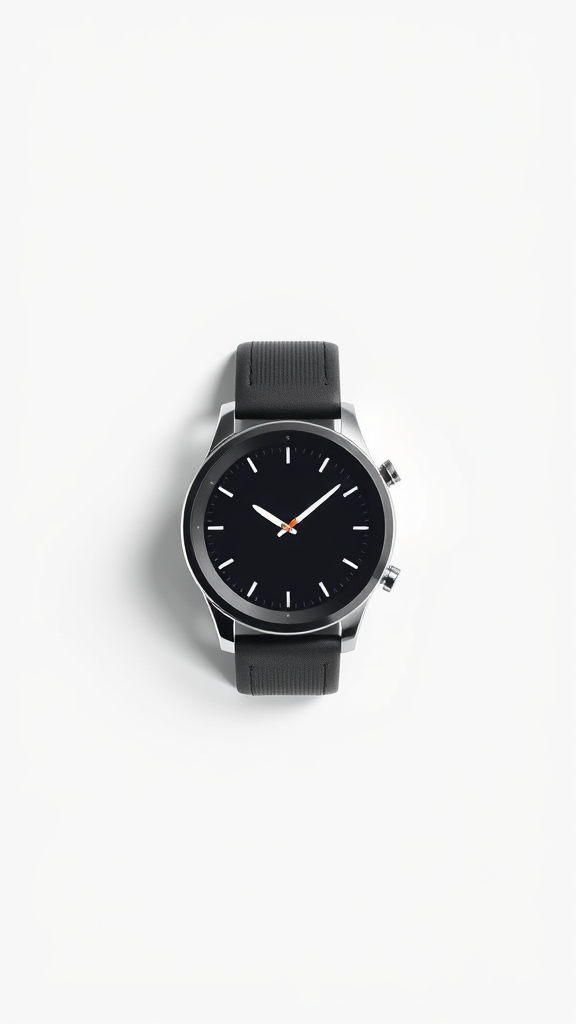
The Samsung Galaxy Watch Ultra has a design that polarises people at first glance and then wins them over. The square-adjacent frame with rounded corners draws inevitable Apple Watch Ultra comparisons, but spend a week with it and the identity starts to feel its own. Three physical buttons give it a purposeful, tool-like feel — though the middle button’s placement makes accidental presses frustratingly common, particularly while driving. Button customisation is also limited to around six options with no single vs. double-press differentiation, which feels like a missed opportunity given the hardware.
The lack of a physical rotating bezel or crown is a recurring complaint from seasoned smartwatch users. The digital bezel works for dismissing timers and calls, but navigating the UI by spinning your finger over the display is awkward — your finger blocks what you’re trying to see. A physical crown or bezel would elevate usability noticeably.
What nobody can argue with: the display is exceptional. It’s among the brightest, most colourful watch displays available at any price. The evening redshift mode is a thoughtful touch for reducing eye strain before bed. Outdoor visibility is excellent. And the MIL-STD-810 durability rating means it can handle extreme temperatures, impacts, and water without drama. This is a watch you can wear on a canyon cycling trip and then directly into a client presentation — and it looks appropriate at both.
The new Blue colorway joining the lineup is a welcome addition for those who found the previous options a little safe.
What Real Buyers Are Saying
“I’ve owned Apple Watch and Garmin. This is the first watch that I genuinely enjoy using every single day. The screen alone is worth the upgrade.” — ⭐⭐⭐⭐⭐ Verified Buyer
“Sleep tracking is decent but the HRV numbers are in a completely different universe from my other devices. If you don’t obsess over HRV, you’ll love this watch. If you do, keep that in mind.” — ⭐⭐⭐⭐ Verified Buyer
“The watch told me to ‘manage my stress levels’ after the most relaxing Saturday of my life. I have never felt so personally attacked by a piece of electronics.” — ⭐⭐⭐⭐⭐ Verified Buyer
Value for Money
At its price point, the Samsung Galaxy Watch Ultra delivers a genuinely premium package: a rugged, military-grade build, one of the best smartwatch displays on the market, 64GB of storage, full Google Play Store access, multiband GPS, an emergency siren, and Gemini AI integration. That’s a lot of watch. For Samsung Galaxy phone users — particularly those rocking a Samsung Galaxy S24 Ultra or newer — this is the natural companion and the value proposition is strong.
Where it asks you to make peace with the price: if elite fitness tracking accuracy is your primary goal, Garmin still offers more reliable HRV, energy monitoring, and endurance battery life for serious athletes. The Galaxy Watch Ultra is a fantastic everyday smartwatch that handles fitness well — it’s just not a pure sports instrument. Know what you’re buying and it’s genuinely worth it. Not sure? See the latest deals and configurations on Amazon to compare models and current pricing.
Video Review
Where to Buy
The Samsung Galaxy Watch Ultra is available now on Amazon with Prime shipping on most configurations. Stock and colour availability can shift quickly, especially around sale events.
🛒 Ready to grab yours?
Prices update frequently. Click to see today’s best deal.
Frequently Asked Questions
Is the Samsung Galaxy Watch Ultra compatible with non-Samsung Android phones?
Technically yes — it runs Wear OS and can pair with non-Samsung Android devices. However, many of its best features, including deeper Samsung Health integration, Gemini on-watch capabilities, and seamless ecosystem features, work best (or exclusively) when paired with a Samsung Galaxy phone. If you’re on a non-Samsung Android, you’ll get a functional but noticeably reduced experience.
How does the Samsung Galaxy Watch Ultra battery life compare to Apple Watch Ultra 2?
The Galaxy Watch Ultra holds its own in this comparison. With AOD enabled, expect around 60 hours of real-world use — comparable to and in some usage patterns slightly better than the Apple Watch Ultra 2. Neither can match Garmin’s endurance watches for multi-day battery life, but both are competitive in the premium smartwatch tier. With AOD off and conservative settings, the Galaxy Watch Ultra can stretch further.
Is the fitness tracking good enough to replace a Garmin?
For most casual to moderate fitness users, absolutely. Workout GPS tracking and real-time heart rate perform well. However, if you rely on highly accurate HRV data, adaptive energy scoring, or need two-week battery life for long expeditions, Garmin’s dedicated GPS watches still lead. The Galaxy Watch Ultra is a smartwatch that does fitness very well — it’s not a fitness device that also does smart features.
What is Gemini on the Galaxy Watch Ultra and is it actually useful?
Gemini is Google’s AI assistant, baked into the watch experience. In practice, it’s one of the Galaxy Watch Ultra’s most genuinely useful features — letting you ask questions, control watch functions, start workouts, set timers, and more entirely hands-free. Reviewers who were initially skeptical found themselves using it daily, especially while driving. It doesn’t replace the full Gemini experience on a phone, but for a wrist-based assistant, it’s impressive.
Does the Samsung Galaxy Watch Ultra have a rotating bezel?
No — and this is a legitimate criticism. The Galaxy Watch Ultra uses a digital bezel rather than a physical rotating one. You navigate by swiping your finger around the watch face, which is less tactile and can be awkward because your finger obscures the screen while scrolling. It works, but users coming from older Galaxy Watch models with a physical spinning bezel will miss it. The three physical buttons partially compensate, but a crown or rotating ring would meaningfully improve the experience.
Conclusion: Should You Buy the Samsung Galaxy Watch Ultra in 2026?
After digesting extensive real-world testing across multiple reviewers, the verdict on the Samsung Galaxy Watch Ultra is clear: this is the best smartwatch Samsung has ever built, and one of the most compelling premium smartwatches on the market right now. The display is best-in-class, the build quality is genuinely rugged, the software is fast and mature, and Gemini AI integration adds real daily utility that most wearables haven’t cracked yet.
The caveats are real but specific. HRV accuracy is a weak point for serious athletes. Sleep insights need refinement. The Energy Score needs Garmin-style adaptivity. And the lack of a physical bezel or crown is a usability miss. But none of these are dealbreakers for the audience this watch is built for.
If you have a Samsung Galaxy phone and you want a wearable that looks great, survives anything you throw at it, tracks your health competently, and keeps you connected with genuinely smart AI features? The Samsung Galaxy Watch Ultra deserves to be on your wrist. Grab it on Amazon and see what the fuss is about.