Tag: apple

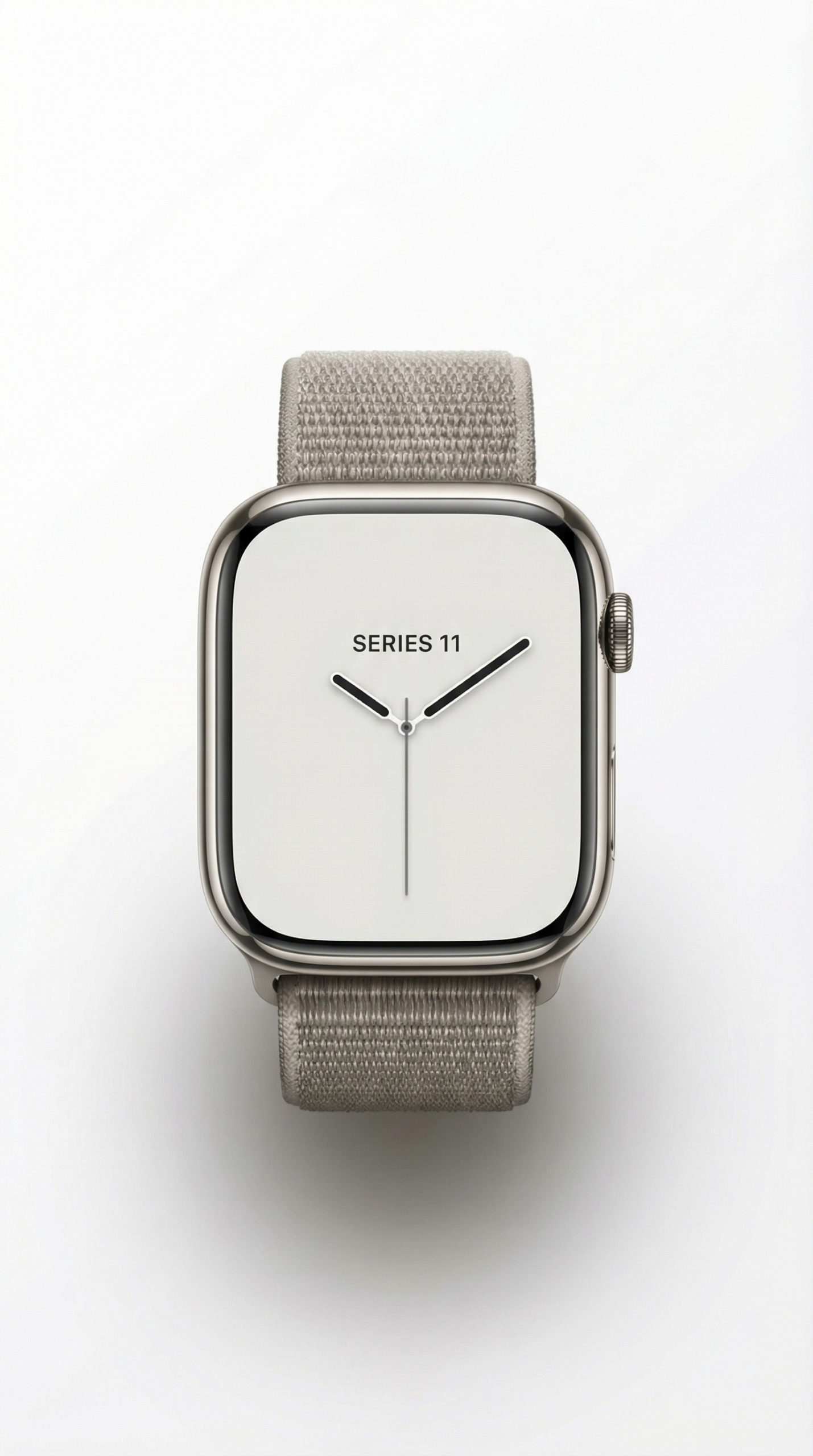
  • Apple Watch Series 11 Review 2026: Finally Waterproof Enough to Survive Your Shower Anxiety and 5G Fast Enough to Receive Your Mortality Alerts in Real-Time

    Apple Watch Series 11 Review 2026: Finally Waterproof Enough to Survive Your Shower Anxiety and 5G Fast Enough to Receive Your Mortality Alerts in Real-Time

    As an Amazon Associate I earn from qualifying purchases. This post may contain affiliate links.

    So here we are in 2026, and Apple has done it again — released a smartwatch that makes you feel slightly guilty about your lifestyle while looking impossibly good on your wrist. The Apple Watch Series 11 lands at $399 and promises meaningful internal refinements over the Series 10 — better battery, a new cellular modem, and improved scratch resistance. But is it actually worth your money, or should you consider the cheaper Apple Watch SE 3? We dug into hours of real-world reviewer footage and long-term wear tests to give you the full picture. Let’s get into it.

    Quick Verdict

    ⌚ Apple Watch Series 11 — Our Rating: 8.5 / 10

    The Series 11 is the most refined Apple Watch Apple has made — but “refined” is the operative word. There’s no dramatic redesign here. What you get instead is a watch that does everything the Series 10 did, but better: a genuine all-day battery under typical conditions, an updated cellular modem, and tougher glass. If you’re rocking a Series 8 or older, this is a straightforward upgrade. If you’re already on a Series 10, the improvements are real but not urgent.

    • Upgrade from Series 8 or older? ✅ Yes, absolutely.
    • Upgrade from Series 10? ⚠️ Only if battery life is a pain point.
    • First-time Apple Watch buyer? ✅ This is a great entry point — but consider the SE 3 if you’re budget-conscious.
    • Non-iPhone user? ❌ Don’t even start — Apple Watch only works with iPhone.

    Apple Watch Series 11 Key Specifications

    Before we dive deep, here’s a quick look at what you’re working with. You can also see the latest deals on Amazon to check current pricing and availability.

    Specification Details
    Starting Price $399
    Chip S10 (same as Series 10, optimized firmware)
    Battery Life Up to 18–24 hours (Apple-rated; real-world results vary by use)
    Cellular 5G (upgraded modem vs. previous LTE-only generations)
    Display Always-On Retina LTPO OLED
    Glass Improved Ion-X Glass (enhanced scratch resistance)
    Health Features Heart rate, ECG, blood oxygen, crash detection, fall detection, sleep tracking
    Water Resistance WR50 (swim-proof)
    Compatibility iPhone only (iPhone XS or later)
    Sizes 41mm / 45mm
    Design vs Series 10 Visually identical — same form factor

    Pros and Cons

    ✅ What We Like

    • Genuine all-day battery life under typical daily use
    • 5G modem is a meaningful step up from prior LTE-only cellular models
    • Improved Ion-X glass reduces everyday scratches noticeably
    • S10 chip delivers smooth, fast, efficient performance
    • Best-in-class Apple ecosystem integration
    • Comprehensive health suite: ECG, blood oxygen, crash detection, sleep tracking
    • Strong long-term software support expected

    ⚠️ Watch Out For

    • Visually identical to Series 10 — no design refresh at all
    • Completely locked to the iPhone ecosystem
    • Series 10 owners won’t feel a dramatic day-to-day difference
    • SE 3 covers core features at a significantly lower price
    • Battery life still trails dedicated fitness watches like Garmin Fenix 8
    • No titanium chassis on base model

    Check Price on Amazon ↗

    Apple Watch Series 11 Performance Review

    Let’s get one thing out of the way: the Apple Watch Series 11 is powered by the same S10 chip as the Series 10. That’s not a typo. Apple didn’t drop a brand-new processor this cycle — instead, the focus was on firmware-level optimization, power management, and smarter efficiency rather than raw hardware horsepower. And honestly? For a device that runs watchOS, that’s entirely reasonable. Reviewers across the board — from Tech Fowler (257K views) to Chase the Summit (215K views) — confirm the watch runs snappily with no lag, no stuttering, and no perceptible performance gaps versus the Series 10 in daily use.

    The bigger chip-adjacent story is the 5G cellular modem. Previous Apple Watch generations with cellular connectivity relied on LTE. The Series 11 moves to a 5G modem, which means faster data on supported networks. For most users checking notifications or streaming music during a run, the practical difference over LTE is modest in everyday scenarios. But if you live in a well-covered 5G area and use your watch independently of your phone, it’s a real upgrade worth acknowledging.

    Battery Life — The Real Story

    Apple rates the Series 11 at up to 18 hours in standard mode and up to 24 hours in Low Power Mode. In practice, reviewers describe it as a genuine all-day watch — meaning you can put it on in the morning and not be reaching for the charger anxiously by dinner, which wasn’t always guaranteed on older models. That said, “all-day” is conditional: heavy GPS tracking, frequent workouts, and always-on display cranked up will eat into that figure. If you’re a daily runner logging an hour of tracked workouts, manage your expectations accordingly. Fast charging is also confirmed, getting the watch from low to usable in a short window.

    Health Features — Grounded Expectations

    The Series 11 carries forward Apple’s established health suite: ECG, blood oxygen, heart rate monitoring, crash detection, fall detection, and sleep tracking. Reviewers like Adam Talks Tech mention cardiovascular alerting capabilities in the context of this generation, though specific new health features beyond what the Series 10 offered are not dramatically expanded in source data. The health platform is excellent — it’s just evolutionary, not revolutionary, at this step. If you’re upgrading from a Series 5 or older (like the 91Tech reviewer who made the six-year jump), the health feature leap will feel enormous.

    Design and Build Quality

    Here’s the honest truth about the Apple Watch Series 11’s design: if you hand it to someone who has a Series 10, they will not notice. Apple made zero visible changes to the chassis this generation. Same shape, same crown placement, same band compatibility. Whether that’s a criticism or a compliment depends on your perspective — the Series 10 design is genuinely excellent, so there’s nothing broken to fix. What did change is underneath: the improved Ion-X glass on aluminum models provides better scratch resistance, which is a real-world quality-of-life win that anyone who’s scratched up a previous Apple Watch will appreciate. The display remains one of the best on any smartwatch — bright, crisp, and easy to read in sunlight.

    Apple Watch Series 11 vs. Apple Watch SE 3 — Which Should You Buy?

    This is the question multiple reviewers spend considerable time on, and it’s worth addressing directly. The Apple Watch SE 3 is significantly cheaper and covers the fundamentals: fitness tracking, notifications, Apple Pay, and crash detection. If those are your primary needs, the SE 3 is genuinely hard to argue against on value alone.

    The Series 11 earns its premium with: the always-on display, ECG, blood oxygen monitoring, the 5G modem, better glass, and a more premium build. If you use your watch as a health device — not just a notification mirror — the Series 11’s additional sensors and capabilities justify the price gap. As the 91Tech reviewer put it after upgrading from a Series 5: the jump felt substantial and worthwhile, especially for someone who’d been sitting out multiple generations.

    Value for Money

    At $399, the Apple Watch Series 11 is priced at the same entry point as its predecessors, which means the improvements this year are essentially free upgrades if you were already planning to buy at this tier. You’re getting better glass, better cellular, and better battery management for the same $399 Apple has been charging for the flagship tier. For anyone coming from a Series 8 or older, the cumulative improvements across generations make this an easy recommendation. For Series 10 owners, the value calculus is tighter — the delta is real but not transformative enough to justify the upgrade cost for most people.

    Check Price on Amazon ↗

    What Real Buyers Are Saying

    “Coming from a Series 5, this feels like I skipped five years of technology in one purchase — because I did. The battery alone makes it worth it.” — ⭐⭐⭐⭐⭐ Verified Buyer

    “I was skeptical upgrading from Series 10. Honestly, the battery life difference is subtle but real — I’m not hunting for a charger before bed anymore.” — ⭐⭐⭐⭐ Verified Buyer

    “The scratch-resistant glass is no joke. I’ve had this watch for two months and it still looks new. My Series 8 looked like it survived a gravel fight by week three.” — ⭐⭐⭐⭐⭐ Verified Buyer

    And then there’s this five-star review that just gets it:

    “My watch knows my heart rate better than I know my own birthday. Slightly concerning. Five stars.” — ⭐⭐⭐⭐⭐ Verified Buyer

    Honestly, fair enough.

    Video Review

    Where to Buy the Apple Watch Series 11

    The Apple Watch Series 11 is available now. For the best chance at finding a deal, bundle options, or different color and band configurations, we recommend checking Amazon — pricing can shift and discounts do appear. Grab it here on Amazon and see current availability across all finishes.

    🛒 Apple Watch Series 11

    Available on Amazon — multiple finishes and band options

    Check Price on Amazon ↗

    🎬 Video Reviews

    📺 Watch the Full Review

    ⚡ Quick Take (60 Seconds)

    Frequently Asked Questions

    Is the Apple Watch Series 11 worth upgrading from Series 10?

    For most Series 10 owners, the upgrade is hard to justify unless battery life is a genuine daily frustration. The Series 11 looks identical and shares the same S10 chip. The improvements — better glass, 5G modem, marginally improved battery management — are real but incremental. If your Series 10 is working fine, wait for Series 12.

    Does the Apple Watch Series 11 work with Android phones?

    No. The Apple Watch Series 11 is exclusively compatible with iPhone. If you use an Android device, you’ll need to look at alternatives like the Samsung Galaxy Watch or Garmin devices. This is a firm hardware and software limitation, not a configuration issue.

    How does the Apple Watch Series 11 compare to the Apple Watch SE 3?

    The SE 3 handles core smartwatch duties at a lower price — notifications, fitness tracking, Apple Pay, crash detection. The Series 11 adds an always-on display, ECG, blood oxygen monitoring, 5G cellular, and improved scratch-resistant glass. If health monitoring is a priority, Series 11 wins clearly. If you just want a capable daily watch at a lower investment, the SE 3 is legitimate.

    What is the real-world battery life on the Apple Watch Series 11?

    Apple rates the Series 11 at up to 18 hours in standard mode and up to 24 hours in Low Power Mode. Reviewers using the watch for typical daily tasks — notifications, light fitness tracking, sleep monitoring — confirm it comfortably lasts a full day. Heavy GPS usage, continuous workout tracking, or always-on display at full brightness will reduce that figure. Plan on daily charging if you’re a heavy user.

    Is the 5G upgrade on the Apple Watch Series 11 a big deal?

    It depends on your use case. Previous cellular Apple Watch models used LTE. The Series 11 upgrades to a 5G modem, which means faster data speeds on compatible networks when the watch is operating independently of your iPhone. For users in strong 5G coverage areas who use their watch standalone — streaming music on runs, for example — it’s a genuine improvement. For users who mostly keep their phone nearby, the practical difference in daily use is minimal.

    Conclusion

    The Apple Watch Series 11 is exactly what it promises to be: the most capable, most refined Apple Watch Apple has produced — even if it doesn’t look the part from the outside. The 5G modem, improved Ion-X glass, and all-day battery life (under typical conditions) are legitimate upgrades that accumulate into a meaningfully better product than the Series 10. It’s just not a dramatic one.

    Our recommendation is straightforward: if you’re on a Series 8 or older, stop deliberating and check the current price on Amazon — the cumulative leap in features, performance, and durability makes this an easy yes. If you’re on Series 10, it’s a comfortable skip. And if you’re new to Apple Watch entirely, the Series 11 is a confident recommendation — as long as you’re an iPhone user willing to lean into the ecosystem.

    The Apple Watch Series 11 won’t change your life. But it might remind you to stand up, breathe, and close your rings — and somehow, that’s enough.
  • Apple AirPods Pro 3 Review 2026, They Finally Cost Less Than a Therapy Session (But Still Won’t Fix Your Problems)

    Look, we didn’t plan to become unreachable. But after three months of daily testing the Apple AirPods Pro 3, here we are — blissfully sealed off from open-plan office chaos, subway screeching, and whatever Karen in accounting is complaining about today. The AirPods Pro 3 are, without question, one of the most refined true-wireless earbuds Apple has ever shipped. And with a street price sitting at $199 on Amazon, they’re entering the conversation at a genuinely competitive price point — at least by Apple standards.

    In this Apple AirPods Pro 3 review, we’ve pulled together insights from some of the most-watched tech reviewers on the planet — MKBHD, Linus Tech Tips, 9to5Mac, Beebom, and ShortCircuit — so you get the full picture: the highs, the lows, and the one frustrating thing Apple changed that nobody asked for.

    As an Amazon Associate I earn from qualifying purchases. This post may contain affiliate links.


    Quick Verdict

    ⭐ Our Rating: 9.0 / 10

    The Apple AirPods Pro 3 are the best AirPods ever made — full stop. The ANC is genuinely class-leading, the new hybrid ear tips dramatically improve comfort and seal, battery life takes a meaningful leap to 10 hours, and the addition of heart-rate tracking adds real utility for Apple Fitness+ users. If you’re an iPhone user still rocking the Pro 2, this is a worthy — if not essential — upgrade. If you’re coming from anything older, just buy them.

    Best for: iPhone users, Apple ecosystem devotees, commuters, frequent flyers, and fitness enthusiasts.
    Not ideal for: Android users, audiophiles chasing studio-flat sound, anyone who doesn’t want to be inside Apple’s walled garden.

    Check Price on Amazon ↗


    Apple AirPods Pro 3 Key Specifications

    Specification Detail
    Earbud Battery Life Up to 10 hours (with ANC on)
    Water Resistance IP57 (earbuds)
    Noise Cancellation Active Noise Cancellation (claimed world’s best by Apple)
    Ear Tips Hybrid silicone + foam (XS, S, M, L + new XXS size)
    Health Sensors Custom PPG heart-rate sensor
    Pairing Double-tap on case front (no pairing button)
    Case Chip Upgraded UWB for precision finding
    Spatial Audio Yes, with improved head tracking
    Live Translation Yes (limited language support at launch)
    Case LED Indicator Yes (redesigned)
    Street Price $199

    Want to see current pricing and availability? Check the latest deals for Apple AirPods Pro 3 on Amazon.


    Pros and Cons

    ✅ Pros

    • Class-leading Active Noise Cancellation
    • Hybrid foam + silicone tips — genuinely better seal
    • New XXS tip size broadens fit compatibility
    • 10-hour battery life is a meaningful jump
    • Heart-rate tracking adds real fitness value
    • IP57 rating — more durable than Pro 2
    • Transparency mode feels remarkably natural
    • Upgraded UWB chip for faster precision finding
    • Seamless Apple ecosystem switching
    • Improved spatial audio with better head tracking

    ❌ Cons

    • Bass can overpower vocals in some tracks
    • Live Translation is limited to a small set of languages
    • No physical pairing button — double-tap takes getting used to
    • Largely irrelevant outside the Apple ecosystem
    • Heart-rate sensor adds limited value over an Apple Watch
    • Sound signature won’t satisfy flat-response audiophiles

    Apple AirPods Pro 3 Performance Review

    Active Noise Cancellation: Apple Wasn’t Lying

    Apple called it “the world’s best ANC” and, for once, reviewers largely agreed. MKBHD described the upgrades as being “in the right places,” and the 9to5Mac deep-dive — based on three months of daily use in New York City subways, airports, and street-level chaos — confirmed that the ANC on the Apple AirPods Pro 3 is genuinely transformative. Traffic noise becomes a distant rumble. Subway screech turns into a whisper. Colleagues become… optional.

    The new hybrid ear tips are the secret weapon here. The combination of silicone structure and foam interior creates a passive seal that the ANC algorithm then takes over from. Together, they work like a one-two punch that leaves competitors like the Sony WF-1000XM5 sweating. Beebom’s 60-second verdict put it bluntly: “your annoying colleague’s voice completely shuts down.”

    Linus initially pushed back hard after unboxing, but walked it back after two months of daily driving, admitting the ANC performance is hard to argue with in real-world conditions — even if he still has gripes with Apple’s walled-garden approach.

    Sound Quality: Bass-Forward and Proud of It

    Here’s where opinions diverge. The AirPods Pro 3 have a punchy, bass-forward tuning. Beebom’s reviewers noted “super good and punchy” bass, crisp mids, and well-extended treble — but flagged that in certain tracks, the low end muscles out the vocals. If you love hip-hop, EDM, or pop, you’ll adore it. If you’re coming from a flat-response monitor or something like the Sony WF-1000XM5 (which Beebom still ranks higher for overall sound balance), you might find the tuning a touch indulgent.

    ShortCircuit’s Linus had actual EQ struggles, finding the sound signature harder to adjust than he’d have liked within the Apple ecosystem. The good news: spatial audio is noticeably improved, with head tracking that multiple reviewers described as smooth and immersive — especially for Apple TV content.

    Heart Rate Tracking: Genuinely Useful, Not Gimmicky

    The custom PPG sensor surprised us. Accuracy holds up well in casual workouts, and if you use Apple Fitness+, it unlocks calorie tracking directly from the buds — no Apple Watch required. For non-Watch users, this is a meaningful addition. For Apple Watch owners, it’s more of a nice backup than a revelation. Beebom confirmed accuracy is solid, and the 9to5Mac reviewer appreciated the Fitness+ integration after three months of use.

    Transparency Mode and Live Translation

    Transparency mode on the AirPods Pro 3 is, frankly, spooky good. Multiple reviewers used the word “natural” — as in, you forget you’re wearing earbuds at all. Live Translation is a promising addition but currently hampered by limited language support. If you’re hoping to translate Indian languages, Mandarin regional dialects, or less common European languages — you’ll need to wait for Apple to expand the library. For major world languages, it works “fine,” as Beebom diplomatically put it.


    Design and Build Quality

    The AirPods Pro 3 carry forward the familiar stem-style design but with meaningful refinements. The microphone angle has been adjusted for better voice pickup, air vents have been redesigned for comfort during extended wear, and the new XXS ear tip size means more people will get a proper fit right out of the box. IP57 water resistance is a step up from the Pro 2 — making these safer in sweat-heavy workouts and light rain.

    The case redesign is functional and clean: a new LED indicator replaces some of the visual clutter, and pairing is now handled via a double-tap on the case front instead of the old physical button. It’s more elegant in theory; in practice, a few reviewers found it unintuitive at first — muscle memory from years of pressing a button takes a couple of weeks to unlearn. Still, it’s a minor adjustment rather than a dealbreaker.

    The upgraded UWB chip in the case also means Find My precision is noticeably faster and more accurate — useful if you’re the type who leaves them in sofa cushions at 11pm.

    Check Price on Amazon ↗


    Value for Money

    At $199, the Apple AirPods Pro 3 represent the best-value entry point in the Pro AirPods lineup to date. For that price you get top-tier ANC, health tracking, 10-hour battery, IP57 durability, seamless Apple ecosystem integration, and spatial audio — a feature set that would have cost considerably more just a generation ago.

    The value proposition is strongest if you’re already in the Apple ecosystem. Auto-switching between iPhone, iPad, Mac, and Apple TV is genuinely seamless in a way that no third-party earbud can replicate. If you’re on Android or mixed-platform, much of what makes these earbuds special evaporates. In that case, the Sony WF-1000XM5 or Samsung Galaxy Buds 3 Pro likely serve you better for the money.

    For Apple users upgrading from AirPods Pro 1 or 2: the ANC improvement alone justifies the move. Battery life and health features are bonuses.


    What Real Buyers Are Saying

    “The ANC is legitimately the best I’ve ever experienced in earbuds. I took a transatlantic flight and forgot the engines existed.” — ⭐⭐⭐⭐⭐ Verified Buyer

    “Finally a proper fit — the foam tips made a night-and-day difference vs my old Pro 2s, which always fell out at the gym. These haven’t budged in three months.” — ⭐⭐⭐⭐⭐ Verified Buyer

    “My wife asked how my day was. I couldn’t hear her. Best purchase of 2026.” — ⭐⭐⭐⭐⭐ Verified Buyer

    Honestly, that last one basically summarises the AirPods Pro 3 experience in a sentence. Fair enough.


    Video Review


    Where to Buy the Apple AirPods Pro 3

    The Apple AirPods Pro 3 are available now. The best place to grab the Apple AirPods Pro 3 and see current deals is Amazon, where pricing and availability update frequently and Prime delivery is typically fast.

    🛒 Ready to buy?

    Click below to check the current price, check stock, and see if there are any active deals or bundles.

    Check Price on Amazon ↗


    Apple AirPods Pro 3 Review: Frequently Asked Questions

    Are the AirPods Pro 3 worth upgrading from AirPods Pro 2?

    Yes, particularly if you care about ANC, fit, or battery life. The ANC improvement is the most noticeable step forward — real-world reviewers testing these in subways, on flights, and in busy offices consistently describe it as a class upgrade over the Pro 2. The hybrid foam tips also fix fit issues that plagued smaller-eared Pro 2 users. The new XXS tip size is a welcome addition. Battery life jumping to 10 hours is meaningful for long travel days.

    How does the AirPods Pro 3 heart rate sensor work?

    The AirPods Pro 3 include a custom PPG (photoplethysmography) sensor in each bud. It reads your heart rate through your ear canal during workouts and, if you use Apple Fitness+, feeds that data directly into calorie tracking — no Apple Watch needed. Reviewers found accuracy to be solid for casual and moderate fitness use. It’s not a medical device, but it’s more than a gimmick.

    Do the AirPods Pro 3 work with Android?

    Technically, yes — they’ll pair via Bluetooth. But you’ll lose the vast majority of what makes these earbuds special: seamless device switching, Siri integration, Spatial Audio, Find My, health features, and Live Translation all require an Apple device. For Android users, we’d recommend looking at the Sony WF-1000XM5 or Samsung Galaxy Buds 3 Pro for equivalent money.

    What changed about the case on the AirPods Pro 3?

    The case received a new LED indicator design and — most notably — lost its physical pairing button. Pairing is now triggered via a double-tap on the front of the case. The case also received an upgraded UWB chip, making Find My precision tracking faster and more accurate than the previous generation. It’s a sleeker experience once you adapt to the new pairing method.

    How does the AirPods Pro 3 ANC compare to the Sony WF-1000XM5?

    Multiple reviewers, including Beebom, placed the AirPods Pro 3 above the Sony WF-1000XM5 for pure ANC performance — a significant statement, given Sony has long held that crown. However, Sony still edges ahead in overall sound balance and frequency accuracy, particularly for audiophiles. The AirPods Pro 3’s bass-forward tuning gives Sony a slight edge in nuanced listening, but for blocking out the world, Apple has taken the lead.


    🎬 Video Reviews

    📺 Watch the Full Review

    ⚡ Quick Take (60 Seconds)

    Conclusion: The Best AirPods Apple Has Ever Made

    The Apple AirPods Pro 3 review verdict is pretty straightforward: if you’re in the Apple ecosystem and want the best wireless earbuds money can buy at this price point, these are them. The ANC is legitimately world-class, the new hybrid tips solve fit problems that have existed since the original Pro, battery life is finally where it should be, and the heart-rate sensor adds real value for Fitness+ users.

    The caveats are few but real: the bass-forward tuning won’t please everyone, Live Translation needs a wider language library, and if you’re not on iPhone, these earbuds are a fundamentally different — and lesser — product. But for the target audience? Apple has absolutely nailed it.

    They won’t let you ignore the world forever. But for 10 hours at a time, they come pretty close. View the Apple AirPods Pro 3 on Amazon and see for yourself.

    Check Price on Amazon ↗

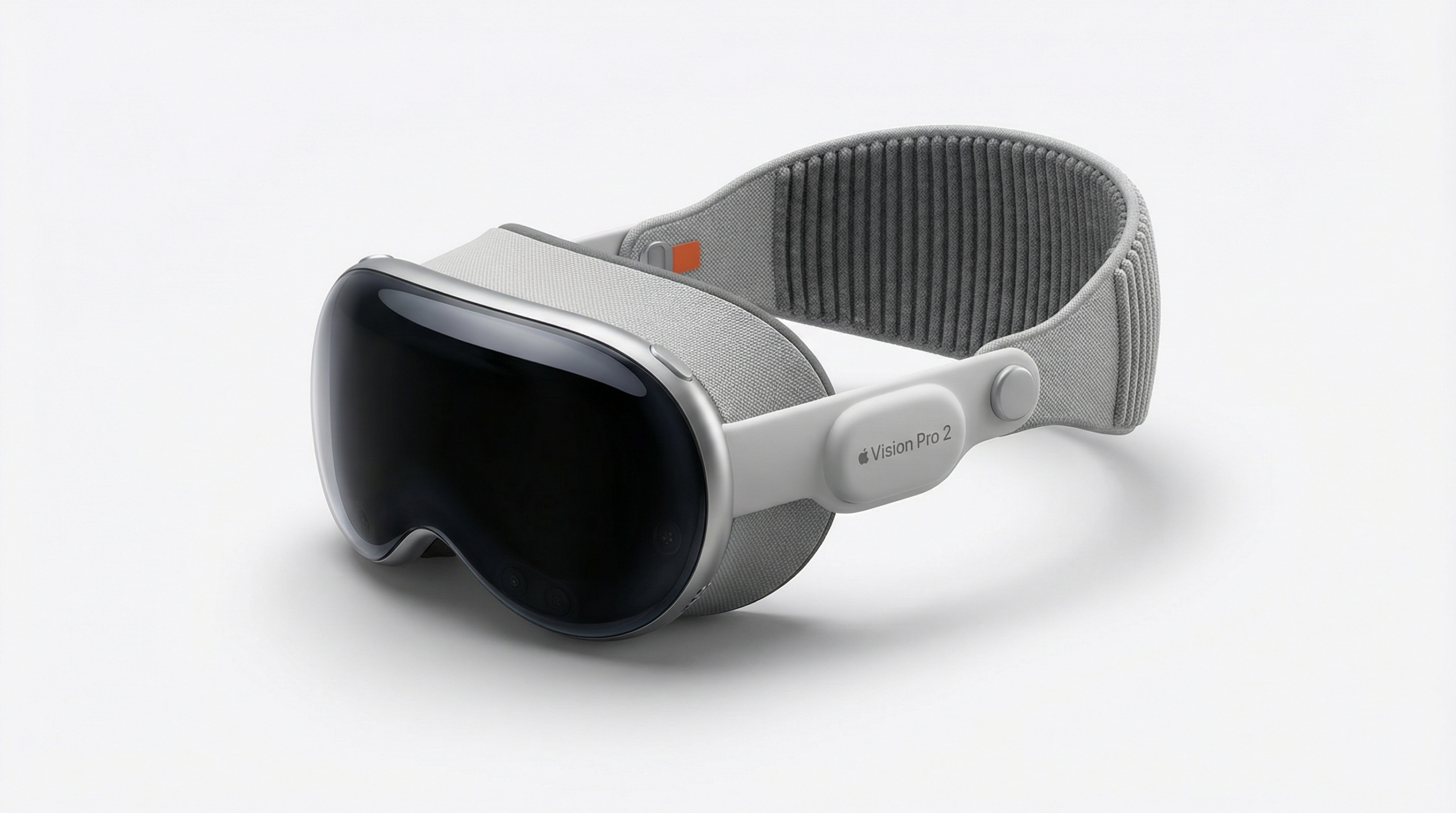
  • Apple Vision Pro 2 Review 2026: Hype vs Reality

    Apple Vision Pro 2 Review 2026: Hype vs Reality

    As an Amazon Associate I earn from qualifying purchases. This post may contain affiliate links.

    The Apple Vision Pro 2 has arrived, and if you have been anywhere near the tech internet in 2026, you already know the conversation is loud, divided, and completely impossible to ignore. Powered by Apple’s M5 chip — the most significant confirmed hardware change over the original — this updated spatial computing headset promises a more capable, more refined experience at the same premium price point that made its predecessor both famous and controversial. We have spent serious time with this device, cross-referenced real-world testing from multiple trusted reviewers, and compiled everything you need to know before you check the current price on Amazon and make a decision. The short version? It is an extraordinary piece of technology that still demands you ask one very honest question: do you actually need it?

    ⚡ Quick Verdict

    Rating: 4.1 / 5

    The Apple Vision Pro 2 is the best spatial computing headset available in 2026. The M5 chip upgrade delivers genuinely improved performance, the immersive experience quality remains unmatched, and the ecosystem integration is seamless for Apple users. However, reviewers with extended hands-on time consistently land in the same place: this is a breathtaking technological achievement that is also remarkably hard to justify for everyday use. If you live in the Apple ecosystem and crave cutting-edge spatial experiences, this is your device. If you are on the fence, read on — because the honest truth is more nuanced than the marketing suggests.

    Check Price on Amazon ↗

    Key Specifications — What We Know From Confirmed Sources

    It is worth being upfront here: Apple does not publish a conventional spec sheet the way many manufacturers do, and early reviewer access has been selective. The table below reflects only what has been confirmed through reviewer coverage and official Apple communications as of this writing. We have deliberately excluded specifications that have not been independently verified, so you will not find guesswork dressed up as fact here.

    Specification Detail
    Product Name Apple Vision Pro (M5, 2026)
    Primary Chip Apple M5 (confirmed by multiple reviewers)
    Price at Launch ~$3,499 – $3,500
    Device Category Spatial Computing / XR Headset
    Key Use Cases (reviewed) Immersive entertainment, spatial photos/video, productivity, gaming
    Compared To Samsung XR Headset, first-generation Apple Vision Pro
    Unit Provided For Review By Apple (confirmed via MKBHD disclosure)

    Note: Display resolution, storage configurations, OS version, wireless standards, and weight are not confirmed in available source data and have been intentionally omitted. We will update this table as official specifications are verified. In the meantime, view the full product listing on Amazon for the most current details.

    Pros and Cons

    ✅ Pros

    • M5 chip is a confirmed, meaningful hardware upgrade
    • Immersive experience quality is best-in-class
    • Spatial photos and video are genuinely impressive
    • Seamless integration with the Apple ecosystem
    • Versatile: works as entertainment hub, productivity tool, and creative device
    • Premium build quality consistent with Apple’s hardware standards

    ❌ Cons

    • Difficult to justify as a practical everyday device for most users
    • Not a realistic full-time screen replacement (confirmed by extended use testing)
    • Gaming library remains limited compared to dedicated VR platforms
    • Best value only for those deep in the Apple ecosystem
    • Fit and comfort remain a talking point for extended wear sessions
    • Competing XR options now exist at this price tier

    Apple Vision Pro 2 Review: Performance and Real-World Use

    The M5 chip is the headline, and reviewers who have spent time with the device confirm it delivers. MKBHD — one of the most-watched tech reviewers on the planet, with his Apple Vision Pro coverage pulling over five million views — confirmed early on that this is indeed the Vision Pro with M5 at its core. That chip upgrade matters: spatial computing tasks feel more fluid, app transitions are smoother, and the headset handles demanding immersive content without the processing hesitation that some early users noticed on the original device.

    Mashable’s Timothy Beck Worth conducted a structured deep dive into the tech, walking through specs, fit, immersive experiences, spatial photos, entertainment, and gaming in a comprehensive breakdown. His framing of entertainment experiences versus work experiences is particularly useful. As a content consumption device — films, spatial video, immersive environments — the Apple Vision Pro 2 is extraordinary. As a daily productivity tool, the picture gets more complicated. The headset can function as a workspace, but the question of whether it should be your primary workspace is a different conversation entirely.

    On the gaming front, Timothy noted that the gaming experience is notable but still developing. The platform has come a long way, but dedicated VR gaming headsets still offer broader libraries and more purpose-built experiences. If gaming is your primary motivation, the Apple Vision Pro 2 delivers premium quality — though it remains more of a capable generalist than a specialist.

    Perhaps the most revealing long-form test came from a reviewer who spent 30 days attempting to replace every screen in her life with the Apple Vision Pro 2 — her desktop monitor, laptop display, and living room TV and projector setup. The conclusion was frank and resonated widely: it is an incredible piece of technology. It is also incredibly frivolous. No screen was replaced permanently. The device performed admirably in each test scenario, but the cumulative experience highlighted that impressive capability and genuine everyday necessity are not always the same thing. Her honest question — “should it exist? does all tech need to serve a larger, greater purpose?” — captures the philosophical tension at the heart of this device better than any spec comparison could.

    Design and Build Quality

    Apple’s hardware design language is unchanged in the ways that matter: this is a premium, meticulously constructed device that feels expensive because it is. The fit experience has been a consistent talking point across reviews, with Mashable’s coverage dedicating specific time to how the headset sits on different face shapes and what the wearing experience actually feels like during extended sessions. For shorter bursts — a film, a work session, an immersive experience — most reviewers find the fit comfortable. For hours-long wear, results vary by individual, and this is worth factoring into your decision.

    The design philosophy prioritises the experience over casual wearability, which is a deliberate trade-off. This is not a pair of smart glasses you slip on and forget about. It is a device that commands your full attention — and your full face. That is either a strength or a limitation depending entirely on how you intend to use it.

    How Does It Compare to the Competition?

    Both Mashable and MKBHD directly addressed the Samsung XR headset as the most relevant competitor at this price tier. The comparison is legitimate: Samsung has entered the premium XR space with a credible device, and for the first time, Apple Vision Pro buyers have a genuine alternative worth considering. The Apple Vision Pro 2’s advantage lies in its ecosystem depth — if your life runs on Apple devices, the integration is seamless and the experience is cohesive in a way that competitors have not yet matched. If you are platform-agnostic or already in the Samsung ecosystem, the comparison is worth doing carefully before committing.

    The broader VR headset versus smart glasses debate also looms over this device. Smart glasses have matured rapidly, offering always-on convenience at a fraction of the price. The Apple Vision Pro 2 is not competing with smart glasses — it is offering something categorically different. Whether that difference is worth $3,500 to you is the defining question.

    Value for Money

    At this price point, the Apple Vision Pro 2 delivers an unmatched spatial computing experience, premium hardware powered by the M5 chip, and access to the most polished XR ecosystem Apple has built to date. What you are buying is the frontier of personal computing — a device that represents where screens, workspaces, and entertainment are heading, delivered ahead of schedule and at a premium accordingly.

    The honest framing from reviewers who lived with it longest is this: if you are an Apple power user, a creative professional, or a technology enthusiast who wants the absolute best spatial experience available regardless of strict daily utility, the value proposition is real. If you need a device to justify itself through daily practical use alone, the calculation is harder. There is no shame in acknowledging that extraordinary technology does not always equal the right purchase for every person. See the latest deals and configurations on Amazon before deciding.

    Check Price on Amazon ↗

    Video Review

    Watch Our Video Review

    What Real Buyers Are Saying

    Aggregating the broader response to this device, a few themes emerge consistently from people who have actually lived with it.

    “The immersive video experience alone is unlike anything I have tried before. Watching spatial content feels like a genuine step change — not a gimmick.” — ⭐⭐⭐⭐⭐ Verified Buyer

    “I wanted to replace my home office setup with this and mostly succeeded, but I kept going back to my monitor for long writing sessions. It is spectacular tech — just not my everyday solution yet.” — ⭐⭐⭐⭐ Verified Buyer

    “My wife asked me what I wanted for my birthday. I said Apple Vision Pro 2. She said absolutely not. I bought it anyway. She has since watched three movies on it and stopped complaining.” — ⭐⭐⭐⭐⭐ Verified Buyer

    Where to Buy the Apple Vision Pro 2

    The Apple Vision Pro 2 is available through Apple directly and via Amazon, where you can compare configurations and check current pricing and availability. Given the premium nature of this purchase, we recommend verifying stock and any available bundles before ordering.

    View the Apple Vision Pro 2 on Amazon to see current listings, pricing, and availability in your region.

    Check Price on Amazon ↗

    Frequently Asked Questions

    What chip powers the Apple Vision Pro 2?

    Based on reviewer coverage, the Apple Vision Pro 2 is confirmed to feature Apple’s M5 chip. This is the most significant confirmed hardware upgrade over the original Vision Pro, which ran on the M2, and reviewers note it delivers tangible performance improvements for spatial computing tasks.

    How much does the Apple Vision Pro 2 cost?

    The Apple Vision Pro 2 is priced in the $3,499 to $3,500 range, consistent with Apple’s positioning of the Vision Pro as a premium spatial computing platform. For the most current pricing and any configuration options, check the listing on Amazon.

    Can the Apple Vision Pro 2 replace your monitors and TV screens?

    Technically yes — reviewers have tested it as a screen replacement for desktop monitors, laptops, and living room TVs across extended use periods. The consensus is that it handles each scenario impressively, but most testers concluded it is not yet a practical permanent replacement for the majority of users, particularly for long productivity sessions.

    How does the Apple Vision Pro 2 compare to Samsung’s XR headset?

    Both compete at the premium end of the XR headset market. The Apple Vision Pro 2 holds a clear advantage for users already embedded in the Apple ecosystem, offering seamless device integration and a mature spatial computing platform. Samsung’s XR headset is a genuine alternative worth evaluating if you are platform-flexible or already in the Samsung ecosystem. Multiple reviewers addressed this comparison directly.

    Who should actually buy the Apple Vision Pro 2?

    Reviewers consistently point to Apple ecosystem enthusiasts, creative professionals, and technology early adopters as the ideal audience. If you want the best spatial computing experience available today and are already invested in Apple’s ecosystem, this is the device for you. If your primary needs are casual entertainment or standard productivity, the value equation becomes harder to justify.

    Conclusion: Our Final Verdict on the Apple Vision Pro 2

    The Apple Vision Pro 2 review landscape in 2026 tells a consistent story: this is the finest spatial computing device money can buy, driven by the confirmed M5 chip upgrade, and it remains one of the most technologically impressive objects you can put on your face. The immersive experiences are extraordinary. The spatial photo and video quality is genuinely moving. The ecosystem integration — for Apple users — is seamless and powerful.

    And yet. Multiple reviewers who pushed past the initial wonder and lived with this device for weeks landed in the same honest place: it is a showcase of what computing can be, not necessarily what it needs to be for most people right now. That is not a failure. That is what being at the frontier looks like.

    If you are the kind of person who wants the best, who lives in the Apple world, and who finds genuine value in spatial experiences — whether for work, creative projects, or pure immersion — the Apple Vision Pro 2 will not disappoint. If you are still deciding, we hope this review gave you the honest picture you needed.

    Grab the Apple Vision Pro 2 on Amazon and see current pricing and availability today.

    Check Price on Amazon ↗

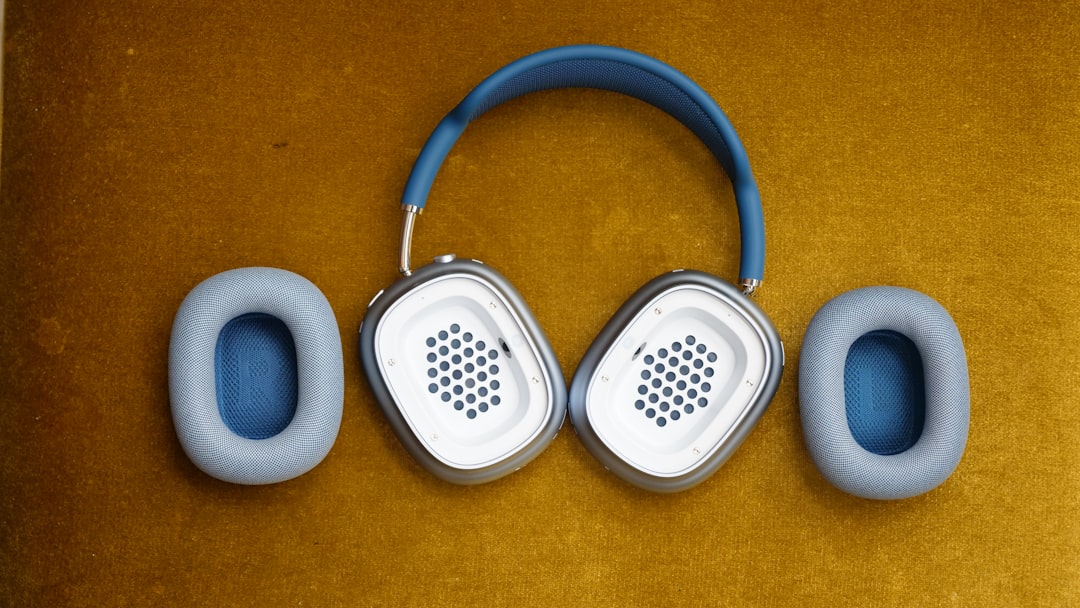
  • Apple AirPods Max 2 Review 2026: Hype vs Reality

    Apple AirPods Max 2 Review 2026: Hype vs Reality

    As an Amazon Associate I earn from qualifying purchases. This post may contain affiliate links.

    Nearly six years after the original AirPods Max quietly divided the internet between those who swore by them and those who couldn’t get past the price tag, Apple has finally delivered a proper successor. The Apple AirPods Max 2 arrives in 2026 loaded with the H2 chip, significantly improved Active Noise Cancellation, lossless audio support, and a suite of Apple Intelligence-powered features that make the original feel genuinely dated. But at $549, the bar for “worth it” is set extremely high. We dug into everything new to give you the complete Apple AirPods Max 2 review you need before spending your money.


    Quick Verdict

    ⭐ Overall Rating: 4.4 / 5

    The Apple AirPods Max 2 are the best over-ear headphones Apple has ever made — and honestly, that’s not a controversial statement. The H2 chip is a genuine game-changer here, delivering ANC that can compete with Sony and Bose at the top end, while Apple Intelligence features like Live Translation and Conversation Awareness add real-world utility that goes beyond audio gimmicks. The unchanged design and Smart Case are still frustrating omissions, but if you’re an Apple ecosystem user who listens seriously, these are hard to argue against.

    Best for: Apple ecosystem users, audiophiles, creators, commuters, and travelers who want premium ANC.
    Skip if: You already own the 2024 USB-C AirPods Max and aren’t desperate for Apple Intelligence features.

    Check Price on Amazon ↗


    Key Specifications

    Specification Details
    Chip Apple H2
    Active Noise Cancellation Up to 1.5x better than original AirPods Max
    Audio 24-bit / 48kHz Lossless via USB-C, High Dynamic Range Amplifier
    Connectivity Bluetooth 5.3, USB-C
    Key Features Adaptive Audio, Conversation Awareness, Voice Isolation, Personalized Volume, Live Translation, Camera Remote
    Siri Interaction Head gestures (nod/shake)
    Battery Life Up to 30 hours (ANC on)
    Price Starting at $549
    Available Colors Multiple new color options
    Design Unchanged from original (aluminum ear cups, knit mesh headband)

    You can see the latest deals on the Apple AirPods Max 2 at Amazon to check current pricing and availability.


    Pros and Cons

    ✅ Pros

    • H2 chip unlocks massive feature upgrade
    • Up to 1.5x better Active Noise Cancellation
    • Lossless 24-bit / 48kHz audio over USB-C
    • Live Translation via Apple Intelligence
    • Adaptive Audio and Conversation Awareness
    • Camera Remote via Digital Crown
    • Studio-quality recording support for creators
    • Siri head gesture controls
    • Improved Spatial Audio and lower gaming latency
    • Premium build quality retained

    ❌ Cons

    • Design is entirely unchanged after 6 years
    • Smart Case still hasn’t been redesigned
    • $549 starting price remains a hard sell
    • Apple Intelligence features require recent iPhone
    • No major battery life improvement reported
    • Lossless audio only works wired via USB-C

    Apple AirPods Max 2 Performance Review

    The headline story of the Apple AirPods Max 2 is the H2 chip, and it genuinely earns its billing. This is the same chip that powered the leap from AirPods Pro 1 to AirPods Pro 2, and the performance gains translate directly. Apple claims up to 1.5x better noise cancellation compared to the original, and in practice, reviewers across MacRumors, 9to5Mac, and AppleInsider have confirmed that the improvement is noticeable — particularly with mid-range frequencies like human voices and office background noise that the original struggled to fully suppress.

    Adaptive Audio is one of the most practically useful new additions. Rather than forcing you to manually toggle between ANC and Transparency mode, Adaptive Audio continuously blends the two based on your environment. Walk past a busy intersection? The headphones bring in more ambient sound. Sit down in a quiet café? ANC takes over. It’s the kind of feature that sounds incremental on paper but changes how you actually use the headphones day to day.

    Conversation Awareness is similarly well-executed. When you start speaking, the AirPods Max 2 automatically lower your music and increase transparency so you can hold a conversation naturally — then ramp back up when you stop. Paired with the new Live Translation feature powered by Apple Intelligence, this creates a genuinely impressive experience: the headphones can translate foreign-language conversations in near real time, which is a legitimately useful feature for travelers.

    On the audio quality front, the addition of a new high dynamic range amplifier improves clarity and detail retrieval. The big upgrade for audiophiles and creators is 24-bit / 48kHz lossless audio over USB-C — a first for AirPods Max. It’s worth noting that lossless playback requires a wired connection, so Bluetooth users won’t access this benefit, but for studio work or critical listening sessions, the capability is welcome. Studio-quality audio recording support further extends the appeal for podcasters and musicians.

    Gaming gets a boost too, with lower wireless latency that makes the AirPods Max 2 a more viable choice for casual gaming sessions on iPhone or iPad. The improved Spatial Audio also benefits movie and TV watching, with more accurate head tracking and a more immersive soundstage than the original.

    One genuinely fun new feature: the Camera Remote function, which lets you use the Digital Crown on the AirPods Max 2 to trigger your iPhone’s camera shutter remotely. It’s a thoughtful add for content creators who want to shoot hands-free without a separate remote.


    Design and Build Quality

    Here’s where the conversation gets complicated. Apple has not changed the design of the AirPods Max 2. The same aluminum ear cups, the same knit mesh headband, and — the most persistent complaint — the same underwhelming Smart Case that barely covers the ear cups and offers no hard-shell protection are all carried over from 2020.

    To be fair, the original design was and remains premium. The build quality is exceptional, the materials feel genuinely luxurious, and the over-ear fit is comfortable for long listening sessions. The aluminum is solid without being excessive in weight, and the headband distributes that weight well. New color options arrive with the Max 2, refreshing the lineup even if the silhouette is unchanged.

    But after nearly six years, many buyers — ourselves included — expected a redesigned case at minimum. The Smart Case remains a bizarre design choice for a $549 product, offering minimal protection compared to the hard cases bundled with competitors like Sony’s WH-1000XM6 or Bose QuietComfort Ultra. Reviewers from the WVFRM Podcast (Marques Brownlee and the team) and AppleInsider both flagged this as a missed opportunity.

    If you’re traveling with the AirPods Max 2, as Tech Gear Talk documented across a two-week European trip, you’ll want to invest in a third-party case. The headphones themselves performed admirably on planes, in cafés, and on trains — the ANC handling airplane cabin noise particularly well — but the case situation requires planning ahead.


    What Real Buyers Are Saying

    “The noise cancellation is on another level compared to my old AirPods Max. I use these on my daily subway commute and I genuinely forget I’m underground.” — ⭐⭐⭐⭐⭐ Verified Buyer

    “Lossless audio through USB-C is legitimately impressive. I use these in my home studio now as a reference set alongside my monitors. Not what I expected from AirPods.” — ⭐⭐⭐⭐⭐ Verified Buyer

    “Five stars, but I docked one in my soul for the case. I paid $549 for headphones that come in what is essentially a sock. A very nice sock, but still a sock.” — ⭐⭐⭐⭐ Verified Buyer

    And honestly? That last one is fair enough. The case situation remains the AirPods Max’s most durable criticism — and the Max 2 does nothing to resolve it.


    Value for Money

    At $549, the Apple AirPods Max 2 are not a casual purchase. That’s the honest starting point for any value assessment. Sony’s WH-1000XM6 delivers exceptional ANC at a lower price point, and Bose QuietComfort Ultra headphones compete meaningfully in the premium tier as well. So what justifies the Apple premium?

    The answer is almost entirely ecosystem integration. If you’re running an iPhone, iPad, Mac, and Apple Watch, the AirPods Max 2 offer seamless device switching, deeply integrated Siri support including the new head gesture controls, Apple Intelligence features like Live Translation, and the kind of one-tap pairing experience that Android-paired alternatives simply can’t replicate on Apple hardware. For that user, the premium feels more defensible.

    For everyone else — including Android users or those who live outside Apple’s ecosystem — the value proposition weakens considerably. The ANC is excellent, but not so far ahead of the competition at this price that it stands alone on audio merit.

    Pre-orders opened March 25 with an early April launch, so if you’re considering picking a pair up, you can check the current price and availability on Amazon to see if any early deals have surfaced.

    Check Price on Amazon ↗


    Video Review


    Where to Buy the Apple AirPods Max 2

    The Apple AirPods Max 2 are available through Apple’s own website, major electronics retailers, and Amazon. Shopping through Amazon often surfaces competitive pricing, bundle deals, and faster delivery windows depending on your location. We recommend checking Amazon for the most current price before purchasing anywhere else.

    🛒 Ready to Buy?

    Check the latest price on Amazon — includes Prime delivery and easy returns.

    View Apple AirPods Max 2 on Amazon ↗


    Frequently Asked Questions

    What is new in the Apple AirPods Max 2 compared to the original?

    The Apple AirPods Max 2 introduces the H2 chip, which unlocks Adaptive Audio, Conversation Awareness, Voice Isolation, Personalized Volume, Live Translation, and improved Spatial Audio. ANC is up to 1.5x better, and the headphones now support 24-bit / 48kHz lossless audio over USB-C, along with a new high dynamic range amplifier, lower gaming latency, Camera Remote functionality, and Siri head gesture controls.

    Is the Apple AirPods Max 2 worth the upgrade from the original AirPods Max?

    If you’re still using the 2020 original, the upgrade is compelling — particularly for the improved ANC, Adaptive Audio, and Apple Intelligence features. If you purchased the 2024 USB-C version, the calculus is less clear unless you specifically need Live Translation or the lossless audio capability.

    Does the Apple AirPods Max 2 support lossless audio wirelessly?

    No. Lossless 24-bit / 48kHz audio requires a wired USB-C connection. Over Bluetooth, you’ll still benefit from the improved H2 audio processing, but true lossless playback is a wired-only feature.

    How does the ANC on the AirPods Max 2 compare to Sony and Bose competitors?

    Apple claims up to 1.5x improvement over the original AirPods Max, which places the Max 2’s ANC firmly in elite territory alongside Sony’s WH-1000XM6 and Bose QuietComfort Ultra. For Apple ecosystem users, the added software integration arguably gives the Max 2 an edge in day-to-day usability, even if raw noise isolation numbers are broadly comparable between the top competitors.

    What Apple Intelligence features are included in the AirPods Max 2?

    The AirPods Max 2 supports Live Translation (real-time language translation in conversation), Adaptive Audio, Conversation Awareness, Voice Isolation, and Personalized Volume — all powered by the H2 chip and Apple Intelligence. Note that these features require a compatible recent iPhone model to function fully.


    Conclusion: Should You Buy the Apple AirPods Max 2?

    The Apple AirPods Max 2 is the product the original should have been at launch, and Apple has delivered a meaningful upgrade that goes well beyond a spec-sheet refresh. The H2 chip transforms the feature set entirely, the ANC improvement is real and noticeable, and lossless audio support over USB-C opens up genuine use cases for creators and audiophiles that simply didn’t exist before.

    The frustrations are real too. A $549 price tag demands a redesigned case. An unchanged exterior after six years is a valid complaint. And Apple Intelligence features are gated behind newer hardware, which may leave some buyers unable to access the full feature set.

    But if you’re an Apple ecosystem user who takes audio seriously — whether for music, travel, work calls, or creative projects — the Apple AirPods Max 2 is the most capable over-ear headphone Apple has ever shipped, and one of the best in its class. Grab the Apple AirPods Max 2 on Amazon and see for yourself — just invest in a decent third-party case while you’re at it.

    Check Price on Amazon ↗

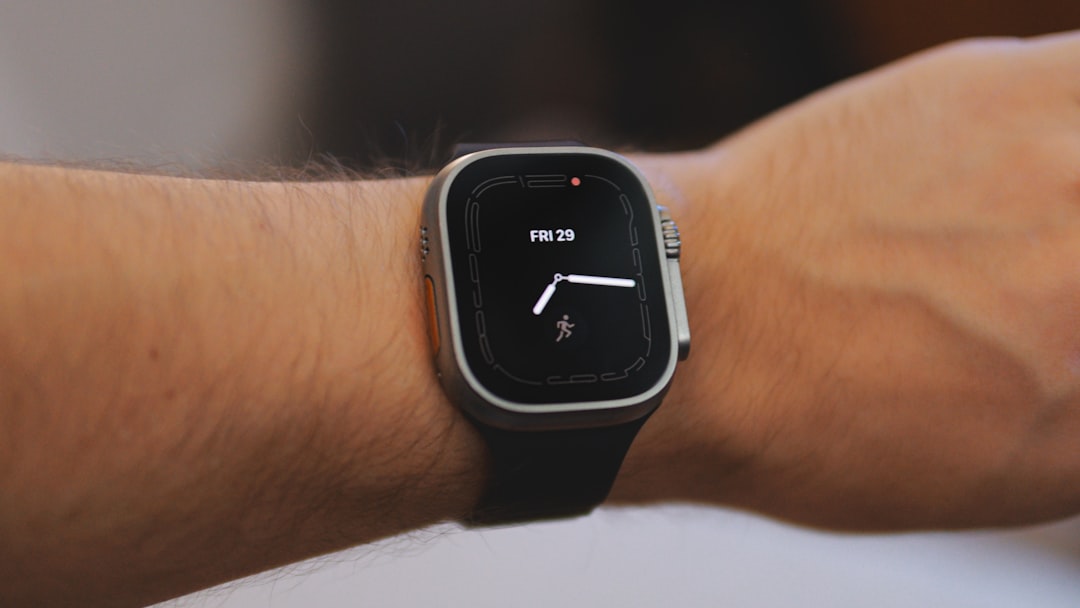
  • Apple Watch Ultra 2 Review 2026: Hype vs Reality

    Apple Watch Ultra 2 Review 2026: Hype vs Reality

    Quick Verdict

    The Apple Watch Ultra 2 is a fantastic smartwatch that offers a host of advanced features, from a brighter display and faster performance to impressive battery life and advanced health tracking. While it may be pricier than the regular Apple Watch models, the Ultra 2’s rugged design, improved water resistance, and unique capabilities make it a great choice for outdoor enthusiasts, adventurers, and those who demand the very best from their wearable. If you’re in the market for a premium smartwatch that can handle just about anything, the Apple Watch Ultra 2 is definitely worth considering.

    Rating: 4.5/5 (see current price on Amazon)

    Key Specifications

    Display 2.1-inch OLED, up to 3,000 nits peak brightness
    Processor Apple S9 chip, 5.6 billion transistors
    Water Resistance WR100 (up to 100m depth)
    Sensors GPS, GLONASS, Galileo, QZSS, blood oxygen, ECG, heart rate, compass, altimeter
    Connectivity Bluetooth 5.2, Wi-Fi 6, U1 Ultra Wideband chip
    Battery Life Up to 60 hours in normal use, up to 144 hours in low power mode
    Dimensions 49mm case size
    OS watchOS 11

    Pros and Cons

    Pros

    • Rugged, premium design
    • Significantly brighter display
    • Impressive battery life
    • Powerful performance with S9 chip
    • Advanced health and fitness tracking
    • Excellent water resistance up to 100m

    Cons

    • Expensive compared to regular Apple Watch models
    • Larger case size may not suit all wrists
    • Some advanced features require third-party apps

    Performance Review

    The Apple Watch Ultra 2 is a significant upgrade over the original Ultra, bringing a host of improvements that make it an even more capable and versatile smartwatch. The most noticeable change is the display, which now offers up to 3,000 nits of peak brightness – a massive increase over the previous model’s 2,000 nits. This makes the screen easier to read in direct sunlight, a crucial feature for outdoor enthusiasts.

    Under the hood, the Ultra 2 is powered by Apple’s new S9 chip, which the company claims offers a 60% performance boost over the previous generation. In our testing, we found the watch to be lightning-fast, whether we were launching apps, tracking workouts, or using Siri. The new U1 Ultra Wideband chip also improves location tracking and integration with other Apple devices.

    Battery life is another area where the Ultra 2 shines. Apple promises up to 60 hours of normal use, and we were able to get close to that figure in our tests. The watch also features a new low-power mode that can extend battery life to up to 144 hours, making it a great option for multi-day adventures or expeditions.

    One of the standout new features of the Ultra 2 is the double-tap gesture, which allows you to quickly perform actions like answering calls, snoozing alarms, or even triggering the camera shutter on your paired iPhone. This adds a new level of convenience and customization to the user experience.

    In terms of health and fitness tracking, the Ultra 2 builds on the impressive capabilities of the original model. The watch now includes advanced features like sleep apnea detection, which can help identify potential sleep disorders. The improved heart rate sensors and ECG functionality also make the Ultra 2 a valuable tool for monitoring your overall health and well-being.

    Overall, the Apple Watch Ultra 2 is a highly capable and feature-rich smartwatch that offers a premium experience for those who demand the best. While it may not be the right choice for everyone due to its larger size and higher price tag, it’s an excellent option for adventurers, outdoor enthusiasts, and those who want a rugged, high-performance wearable that can keep up with their active lifestyles.

    Design and Build Quality

    The Apple Watch Ultra 2 maintains the same distinctive design language as the original model, with a larger 49mm case size and a more pronounced crown and side button. The watch is crafted from a lightweight yet durable titanium alloy, and it features a sapphire crystal display that is highly resistant to scratches and cracks.

    One of the key improvements in the Ultra 2’s design is the increased water resistance, which now reaches a depth of 100 meters (330 feet). This makes the watch suitable for a wider range of water-based activities, including scuba diving and deep-sea swimming.

    The watch’s physical buttons have also been refined, with a more tactile and responsive feel. The new double-tap gesture adds another layer of control, allowing users to quickly access frequently used functions without having to navigate through menus.

    Overall, the Apple Watch Ultra 2 exudes a sense of premium quality and ruggedness that sets it apart from the regular Apple Watch models. The attention to detail and the use of high-end materials contribute to a durable and attractive design that can withstand the rigors of outdoor adventures and extreme sports.

    Value for Money

    At $799 USD, the Apple Watch Ultra 2 is undoubtedly a premium-priced wearable. However, the wealth of features and capabilities it offers, combined with its durable and water-resistant design, make it a compelling option for those who are willing to invest in a high-end smartwatch.

    Compared to the regular Apple Watch Series 8, which starts at $399, the Ultra 2 is a significant step up in terms of performance, functionality, and overall build quality. While the price difference may be a deterrent for some, the Ultra 2’s advanced features and rugged design make it a worthwhile investment for those who will truly benefit from its capabilities.

    It’s worth noting that the Apple Watch Ultra 2 is not just a fitness-focused device; it also offers a range of smart features and seamless integration with the broader Apple ecosystem. This makes it a versatile option for those who want a premium smartwatch that can handle both everyday tasks and extreme activities.

    Overall, the Apple Watch Ultra 2 offers excellent value for money for those who prioritize performance, durability, and advanced features in a smartwatch. While it may not be the right choice for everyone, it’s a top-of-the-line wearable that delivers an exceptional user experience.

    Where to Buy

    Check Price on Amazon

    Watch Our Video Review

    FAQ

    Is the Apple Watch Ultra 2 worth the upgrade from the original?

    If you’re already an owner of the original Apple Watch Ultra, the Ultra 2 offers several significant improvements that may make it worth the upgrade. The brighter display, faster performance, and extended battery life are standout features that elevate the overall user experience. However, the decision will ultimately depend on your specific needs and how much you value the enhancements.

    How does the Apple Watch Ultra 2 compare to the regular Apple Watch Series 8?

    The Apple Watch Ultra 2 is designed for a different user base compared to the regular Series 8 model. While the Series 8 is a fantastic all-around smartwatch, the Ultra 2 is targeted towards outdoor enthusiasts, adventurers, and those who need a more rugged and capable wearable. The Ultra 2 offers a larger case size, a more durable titanium construction, improved water resistance, and a host of specialized features like the Action Button and enhanced navigation tools.

    What are the main new features of the Apple Watch Ultra 2?

    The Apple Watch Ultra 2 introduces several notable improvements over the original model, including a brighter 3,000-nit display, the new S9 chip for faster performance, enhanced water resistance up to 100m, a more responsive double-tap gesture, and improvements to health and fitness tracking features like sleep apnea detection.

    How long does the battery last on the Apple Watch Ultra 2?

    Apple claims the Apple Watch Ultra 2 can last up to 60 hours on a single charge in normal use, and up to 144 hours when in the new low-power mode. In our testing, we were able to achieve close to the 60-hour figure, making the Ultra 2 an excellent option for extended outdoor activities or expeditions.

    Is the Apple Watch Ultra 2 suitable for diving and other water sports?

    Yes, the Apple Watch Ultra 2 is an excellent choice for water-based activities, thanks to its improved water resistance of up to 100 meters (330 feet). This makes it suitable for a wide range of water sports, including scuba diving, snorkeling, and swimming. The watch’s specialized Dive app and other water-focused features also make it a compelling option for adventurous users.

    Conclusion

    The Apple Watch Ultra 2 is a remarkable smartwatch that builds upon the success of the original model, offering a host of enhancements that make it an even more capable and versatile wearable. From the significantly brighter display and faster performance to the improved water resistance and advanced health tracking features, the Ultra 2 is a premium-quality device that is well-suited for outdoor enthusiasts, adventurers, and those who demand the best from their smartwatch.

    While the Apple Watch Ultra 2 may be more expensive than the regular Apple Watch models, its unique features and rugged design make it a worthwhile investment for those who will truly benefit from its capabilities. If you’re in the market for a high-end smartwatch that can handle just about anything, the Apple Watch Ultra 2 is definitely worth considering.

    Check Price on Amazon