
As an Amazon Associate I earn from qualifying purchases. This post may contain affiliate links.
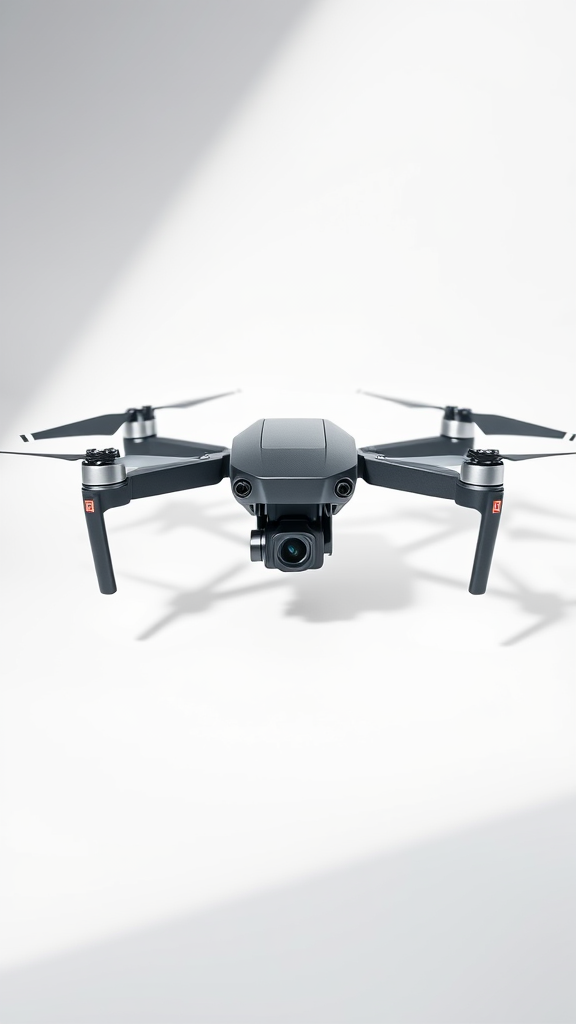
Let’s be honest — most expensive drones live in their cases. The DJI Neo 2 does not. At 151 grams and around $260 on Amazon, this tiny powerhouse has quietly become one of the most talked-about drones of 2026 — not because it is perfect, but because it removes every excuse you had for not flying. Omnidirectional obstacle avoidance, hands-free follow-me tracking, 4K 60fps video, and 49GB of internal storage in a drone that weighs less than a can of soda. The DJI Neo 2 review situation online is almost unanimous: reviewers are shocked this thing exists at this price. We spent weeks with it in real-world conditions — sunny afternoons, foggy mornings, windy ridgelines — and came away with a very clear picture of who this drone is for, and more importantly, who it is not for.
Quick Verdict
DJI Neo 2 — Our Rating: 4.4 / 5
For beginners, casual creators, travelers, and athletes who want hands-free follow-me footage, the DJI Neo 2 is virtually impossible to beat at this price in 2026. Omnidirectional obstacle avoidance on a sub-$300 drone is a landmark achievement. Battery life is short and low-light performance is poor, but everything else — from the smooth tracking to the surprisingly capable daytime footage — punches well above its weight class. Existing owners of premium DJI drones will enjoy it as an everyday companion, but should not expect Mavic-level image quality.
Best for: Beginners, travelers, content creators, cyclists, skiers, and anyone who wants a drone they’ll actually use every day.
Skip if: You need serious low-light or wind performance for professional work.
DJI Neo 2 Key Specifications
| Specification | Detail |
|---|---|
| Weight | 151g |
| Sensor | 1/2-inch CMOS |
| Aperture | f/2.2 |
| Video Resolution | 4K 60fps (H.265); 4K 100fps slow-motion |
| Photo Resolution | 12MP JPEG |
| Rated Flight Time | 19 minutes |
| Real-World Flight Time | 11–12 minutes (typical) |
| Obstacle Avoidance | Omnidirectional |
| Forward Sensor | LiDAR |
| Internal Storage | 49GB |
| Color Profiles | 1 |
| Control Options | Smartphone / Hands-Free Gesture / Optional Remote (via Transceiver ~$45) |
| Price (at launch) | ~$260 |
Want to see the current price? Check the latest deals on Amazon here.
Pros and Cons
✅ Pros
- Omnidirectional obstacle avoidance at this price is unprecedented
- 4K 60fps and 4K 100fps slow-motion in a sub-$300 drone
- Hands-free “Jedi mode” and follow-me tracking that genuinely works
- 151g — under most local weight regulations, reducing paperwork hassle
- 49GB internal storage means no SD card anxiety
- Forward-facing LiDAR for smarter, safer flight
- Fun, low-friction design that actually gets used every day
- Excellent value — nothing else competes at this spec-to-price ratio
⚠️ Cons
- Real-world battery life of 11–12 minutes is noticeably short
- Low-light and night footage is essentially unusable
- Wind resistance is limited — even moderate gusts cause instability
- Only one color profile limits post-processing flexibility
- Auto white balance skews too blue — manual correction recommended
- Remote controller requires an extra ~$45 Digital Transceiver module
- Not a professional replacement for Mini or Mavic series drones
DJI Neo 2 Review: Performance in the Real World
The headline that keeps coming up across every DJI Neo 2 review we studied is simple: nobody can believe this drone exists at this price. Let us break down what that actually means in practice.
Follow-Me Tracking and Hands-Free Flight
The follow-me modes are the single biggest reason to buy this drone. Whether you are biking, skiing, hiking, or just walking in a park, the Neo 2 locks onto you with impressive reliability. The hands-free “Jedi mode” — where you can launch and control basic manoeuvres with hand gestures alone — sounds gimmicky but is genuinely useful for solo content creators. After 100 days of real-world use across cycling in fog and skiing in winter conditions, long-term reviewers consistently reported that tracking remained solid. This is the drone that will actually make you get off the sofa and go outside.
Video Quality: Gorgeous in Good Light, Rough Elsewhere
In ideal daytime conditions — think bright afternoon light, colourful landscapes, a nice blue sky — the Neo 2 produces footage that is genuinely delightful. 4K 60fps in H.265 gives you smooth, detailed video, and the 4K 100fps slow-motion mode opens up creative options you would not expect at this price. The trick is to shoot in manual and dial in a warmer white balance. Auto mode consistently over-cools the image, giving footage a blue tint that requires correction in post. This is a limitation of the sensor size, and acceptable for the price — but worth knowing before you fly a critical shoot.
Night performance is a different story. The 1/2-inch sensor and f/2.2 aperture simply do not have the light-gathering ability for usable low-light footage. As one reviewer bluntly put it: “night time filming does not exist.” If you shoot events, golden hour parties, or anything after dark, you will want a larger-sensor drone for those moments.
Battery Life: The Real Frustration
DJI quotes 19 minutes of flight time. Reality is closer to 11–12 minutes under normal flying conditions, and even shorter if you are pushing the follow-me modes hard. This is the Neo 2’s most impactful limitation in day-to-day use. An extended 3300mAh battery is available from aftermarket suppliers for users who need more air time, and buying the Fly More Combo with multiple batteries is strongly recommended. Plan your shots before takeoff and you will rarely be caught short — but do not expect to just wander and film freely.
Obstacle Avoidance: A Landmark Achievement
Omnidirectional obstacle avoidance on a 151g drone priced around $260 is, without exaggeration, a landmark achievement. The forward-facing LiDAR combined with full obstacle detection means you can fly in tighter, more complex environments with a safety net that used to cost three times the price. That said, no obstacle avoidance system is infallible — change your piloting habits accordingly and treat it as a safety assist, not a substitute for situational awareness.
Wind Resistance: Know Your Limits
Being honest here is important. At 151g, the Neo 2 is not a wind fighter. Even moderate breezes — the kind that makes a flag gently flap — are enough to cause noticeable instability. If your filming location is exposed or breezy, the Neo 2 will frustrate you. Check wind conditions before you fly, and treat this as a calm-weather tool. On still days, it is perfectly stable and a joy to fly.
Design and Build Quality
The Neo 2’s design philosophy is pure pragmatism wrapped in a surprisingly polished shell. Everything about it is built to remove friction — it fits in a jacket pocket, launches from your palm, and pairs to your phone in seconds. The 49GB of internal storage means you are never scrambling for an SD card at the wrong moment. The build feels solid for its weight class; this is not a flimsy toy, but it is also not a weatherproof workhorse. The prop guard design makes it safer to use around people and in tighter indoor spaces, reinforcing its credentials as an everyday carry drone rather than a specialist tool.
For pilots who want the full remote controller experience, the Digital Transceiver module (approximately $45 separately) connects via the DJI Fly app to a Smart Remote or RC-N3, extending usable range significantly — though in practice, battery life will run out long before you reach the range ceiling.
Video Review
What Real Buyers Are Saying
“I’ve owned three DJI drones. The Neo 2 is the one actually in my bag every day. The others are at home looking pretty.” — ⭐⭐⭐⭐⭐ Verified Buyer
“Follow-me tracking on a ski run worked better than I expected. Battery life is genuinely short, buy the Fly More Combo — don’t be me.” — ⭐⭐⭐⭐ Verified Buyer
“Tried flying it at night. The footage looked like abstract art. Daytime footage? Stunning. I’m calling it my sunshine drone and keeping the peace.” — ⭐⭐⭐⭐⭐ Verified Buyer
And then there is this five-star review that just absolutely gets it: “I don’t know how DJI makes money on this thing. I feel like I stole it.” — honestly, fair enough.
Value for Money
At approximately $260, the DJI Neo 2 sits in a category of its own. Nothing else in the market currently offers omnidirectional obstacle avoidance, hands-free follow-me modes, 4K 60fps video, and 49GB internal storage in a sub-155g body at anything close to this price point. The limitations — short battery life, poor low-light, limited wind resistance, one color profile — are real, but they are the expected trade-offs of a drone at this size and price. For beginners entering the hobby, casual content creators, and athletes wanting follow-me footage, the Neo 2 represents extraordinary value. For professional videographers already owning a Mavic 4 Pro or Mini 5 Pro, it is a fantastic supplementary tool, but not a primary workhorse.
If you are on the fence, view the DJI Neo 2 on Amazon and check whether the Fly More Combo is currently bundled — it frequently offers better value than buying batteries separately.
Where to Buy the DJI Neo 2
The DJI Neo 2 is available on Amazon with Prime shipping, which is our recommended purchase route for fast delivery and hassle-free returns. Prices can fluctuate, so it is worth checking regularly for any promotions on the Fly More Combo. We recommend buying the multi-battery bundle from day one — the base flight time of 11–12 minutes will have you wishing you had extra packs within your first outing.
Ready to grab the DJI Neo 2?
Prices update in real time — click to see the latest deal.
🎬 Video Reviews
📺 Watch the Full Review
⚡ Quick Take (60 Seconds)
Frequently Asked Questions
Does the DJI Neo 2 need a remote controller?
No, the DJI Neo 2 can be flown using just a smartphone via the DJI Fly app, or entirely hands-free using gesture controls. If you want extended range and a more traditional stick controller experience, you will need the optional Digital Transceiver module (around $45) paired with a compatible DJI Smart Remote or RC-N3. It functions essentially as a range extender and unlocks up to a mile of range — though your battery will expire well before you reach that distance.
How long does the DJI Neo 2 battery last?
DJI’s official rating is 19 minutes, but real-world use — particularly with follow-me modes active — typically delivers 11 to 12 minutes of air time. Cold weather and aggressive flying further reduce this. An extended 3300mAh aftermarket battery is available for users who need more flight time. Buying the Fly More Combo with multiple official batteries is highly recommended for anyone planning more than a quick outing.
Can the DJI Neo 2 fly at night?
Night flying is the Neo 2’s most significant weakness. The 1/2-inch sensor and f/2.2 aperture lack the light-gathering capacity for usable low-light footage. Multiple reviewers with real-world experience describe night footage as essentially unusable. The DJI Neo 2 is at its best in bright daylight conditions — plan your shoots accordingly and keep a larger-sensor drone for evening work if that is a requirement.
How does the DJI Neo 2 handle wind?
Wind resistance is limited by the drone’s 151g frame. Even moderate wind — the kind that causes a flag to gently flutter — can produce noticeable instability in footage and flight behaviour. The Neo 2 is not built for exposed or gusty environments. Always check wind conditions before flying, and treat this as a fair-weather tool. On calm days, it is impressively stable and a pleasure to fly.
Is the DJI Neo 2 worth buying in 2026 if I already own a DJI drone?
If you already own a Mavic 4 Pro, Air 3S, or Mini 5 Pro, the DJI Neo 2 makes an excellent supplementary everyday carry drone — lightweight, low-friction, and genuinely fun for follow-me content that you would not bother setting up a professional drone for. However, it is not a replacement; the sensor size and color profile limitations mean professional image quality stays with the bigger birds. For existing DJI owners it is a great addition, not an upgrade.
Conclusion: Should You Buy the DJI Neo 2?
After digesting every angle of this DJI Neo 2 review — from hands-on long-term use in fog and snow to sunny afternoon follow-me sessions — the verdict is clear. For the vast majority of people considering a drone purchase in 2026, the DJI Neo 2 at around $260 is an astonishing product. Omnidirectional obstacle avoidance, hands-free tracking, 4K 60fps video, and 49GB of internal storage in a 151g body that slots into a jacket pocket — there is simply nothing else at this price that comes close.
The short battery life is a real consideration, the low-light performance is genuinely poor, and wind will humble it quickly. But as an everyday carry drone for content creators, travelers, athletes, and beginners? It is almost unfairly good. Buy the Fly More Combo, shoot in manual with a warm white balance on a sunny day, and you will produce footage that will make people ask what expensive camera you used. The fact that the answer is “a $260 drone I carry in my pocket” will be deeply satisfying.
Grab the DJI Neo 2 on Amazon and see the current price — it is one of those rare products where the hype is genuinely justified.